
문화원 활동
-
한국의 빛, 진주 실크등 전시 개막식 안내
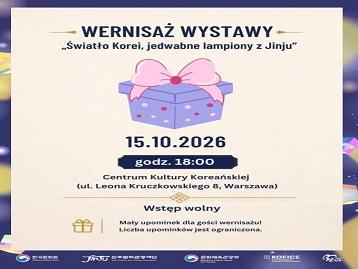
10월 15일, "한국의 빛, 진주의 비단 등불" 전시 개막에 여러분을 초대합니다! 한국 비단의 아름다움과 전통과 현대가 어우러진 등불의 마법을 만나보세요. 개막식에 오시는 분들께는 특별한 선물을 드립니다. ☺️ 선물 수량이 한정되어 있으니 서두르세요! - 2026년 10월 15일 (목) - 오후 6시 - 주폴란드한국문화원 (ul. Kruczkowskiego 8, Warszawa) - 무료 입장 개막식에서 만나요!
게시일 2026.10.13. -
2026 <재혼황후> The Remarried Empress” – świat K-webtoonów 전시 성료
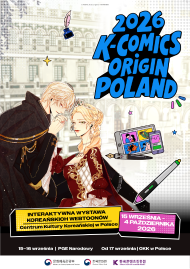
„The Remarried Empress” – świat K-webtoonów 재혼황후 전시를 마무리하며 지난 9월 15일부터 10월 4일까지, PGE Narodowy와 주폴란드한국문화원에서 진행된 웹툰 〈재혼황후〉 전시가 많은 분들의 관심과 참여 속에 마무리되었습니다. 이번 전시는 세계적으로 사랑받고 있는 웹툰 〈재혼황후〉를 통해 오늘날 K-웹툰이 가진 다양한 매력을 소개하고, 한국 웹툰이 세계적인 콘텐츠로 확장되어가는 모습을 함께 살펴볼 수 있도록 마련되었습니다. 관람객들은 작품 속 독창적인 세계관과 매력적인 캐릭터를 비롯해 웹툰만의 개성 있는 스토리텔링과 표현 방식을 만나보며 〈재혼황후〉의 작품 세계를 더욱 가까이에서 살펴볼 수 있었습니다. 또한 원작 웹툰의 이야기가 다양한 미디어와 콘텐츠로 확장되는 모습을 함께 소개하며, 하나의 이야기가 새로운 콘텐츠로 발전해가는 과정과 K-웹툰이 지닌 무한한 가능성을 만나볼 수 있었습니다. 특히 이번 전시는 PGE Narodowy에서 진행된 K-Brand Week와 함께 시작되어 더 많은 관람객들에게 한국 웹툰을 소개할 수 있는 뜻깊은 시간이 되었습니다. 이후 주폴란드한국문화원에서 전시를 이어가며 한국 웹툰에 관심을 가진 관람객들과 〈재혼황후〉의 매력을 함께 나눌 수 있었습니다. 전시를 찾아주시고 〈재혼황후〉의 세계를 함께 즐겨주신 모든 관람객분들께 진심으로 감사드립니다. 이번 전시를 통해 한국 웹툰의 매력을 발견하고, K-콘텐츠가 가진 다양한 가능성을 느껴보는 즐거운 시간이 되셨기를 바랍니다. 앞으로도 주폴란드한국문화원은 다양한 전시와 문화 프로그램을 통해 한국의 문화와 콘텐츠를 소개하고 여러분과 함께 소통하는 자리를 계속해서 마련하겠습니다. 다음 전시에서는 진주의 전통과 아름다움을 담은 ‘한국의 빛, 진주 실크등’을 선보일 예정이니, 여러분의 많은 관심과 참여 부탁드립니다!
게시일 2026.10.07. -
[서울의 멋, 풍류] 두 달간의 전시를 마무리하며
Urok Seulu – dawny styl, współczesny rytm 두 달간의 전시를 마무리하며 지난 7월부터 9월까지, 두 달간 주폴란드한국문화원에서 진행된 전시 Urok Seulu – dawny styl, współczesny rytm이 많은 분들의 관심과 참여 속에 막을 내렸습니다. 이번 전시는 서울의 전통적인 아름다움과 현대적인 감각이 조화를 이루는 모습을 소개하며 우리나라의 문화와 일상을 다양한 방식으로 만나볼 수 있도록 마련되었습니다. 관람객들은 우리나라의 전통적인 아름다움을 직접 느낄 수 있는 자개 거울 만들기를 비롯해, 사진 문화를 재미있게 경험 할 수 있는 풍류네컷 포토부스, 그리고 많은 사랑을 받고 있는 라면을 직접 체험해보는 한강라면 체험에 참여하며 전시를 보다 친근하고 즐겁게 만나볼 수 있었습니다. 또한 전시기간 중 전시 해설 프로그램 및 특별강좌 프로그램에 참석해 주신 관람객분들께 진심으로 감사 드립니다. Urok Seulu – dawny styl, współczesny rytm은 이제 막을 내렸지만, 이번 전시를 통해 우리 수도인 서울이 지닌 매력을 발견하고 즐거운 추억을 만들어가셨기를 바랍니다. 앞으로도 주폴란드한국문화원은 다양한 전시와 문화 프로그램을 통해 한국의 아름다운 문화를 소개하고 여러분과 함께 소통하는 자리를 계속해서 마련하겠습니다. 두 달간 함께해주신 모든 분들께 다시 한번 감사 인사 드립니다. 다음 전시에서 다시 만나요!
게시일 2026.10.01. -
「한국의 빛, 진주 실크등」 전시 연계 어린이 체험 프로그램
빛과 실크로 만나는 한국의 전통문화! 「한국의 빛, 진주 실크등」 전시와 연계하여 어린이들이 한국의 전통문화와 진주의 실크등을 쉽고 재미있게 알아보고 직접 체험할 수 있는 특별 프로그램을 마련했습니다. 진주 실크등에 담긴 이야기를 배우고, 직접 전통 등을 만들어보는 것은 물론 한국의 전통의상인 한복을 입어보고 전시도 함께 관람할 수 있습니다. 📅 일정 2026년 10월 19일 / 21일 / 23일 / 26일 / 28일 / 30일 10:00–12:00 👧 대상 7–12세 어린이 / 학교 및 학급 단체 ※ 인솔자 포함 그룹당 최대 30명 <프로그램> 1. 한국과 진주 실크등 이야기 알아보기 (30분) 한국과 진주의 문화, 그리고 실크와 유등에 담긴 이야기를 알아봅니다. 2. 한국 전통 등 만들기 (30분) 직접 등을 만들어보며 한국의 전통문화를 체험합니다. 3. 한국 전통의상 한복 체험 (30분) 한국의 전통의상인 한복을 직접 입어봅니다. 4.「한국의 빛, 진주 실크등」 전시 관람 (30분) 체험을 통해 배운 내용을 떠올리며 자유롭게 전시를 관람합니다. 👥 신청 방법 학교 및 학급 단위로 신청 가능하며, 담당 교사 또는 인솔자가 직접 신청해 주세요. 한 그룹당 인솔자를 포함하여 최대 30명까지 참여할 수 있습니다. 참가를 희망하는 단체는 아래 Google Form을 통해 신청해 주세요. 클릭 -> 참가 신청 ※ 신청 완료 후 프로그램 참여에 관한 자세한 사항은 개별적으로 안내해 드립니다. <전화안내 및 문의는 불가하며 메일(kulturakoreanska@korean-culture.org.pl)로 문의 주세요.> ※ 프로그램 진행 중 촬영된 사진은 기록 및 내부 자료 목적으로만 활용됩니다.
게시일 2026.09.23. -
한국의 빛, 진주 실크등
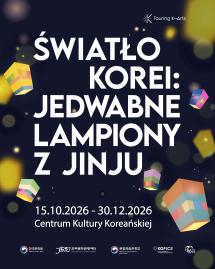
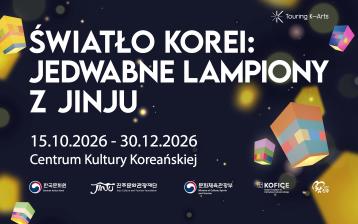
빛으로 연결되는 도시 - 진주 실크등 천년의 역사를 품은 도시 진주는 남강을 중심으로 오랜 역사와 실크 산업, 공동체의 기억이 어우러지며 고유한 도시 정체성을 형성해왔습니다. 1592년 임진왜란 당시 남강 위에 띄운 유등은 통신과 안부를 전하는 연락 수단으로 활용되었으며, 오늘날까지 진주를 상징하는 빛의 전통으로 이어지고 있습니다. 또한 남강의 맑은 물을 바탕으로 100여 년간 발전해온 실크 산업은 진주의 지리적 특성과 오랜 장인정신이 축적된 소중한 문화적 자산입니다. ‘한국의 빛, 진주 실크등’ 전시는 진주 고유의 유산인 실크와 유등을 현대 예술의 언어인 ‘빛’으로 재해석한 전시입니다. 오랜 시간 이어져 온 전통에 동시대적 감각을 더해 실크의 물성과 유등의 빛이 지닌 아름다움과 가치를 새롭게 조명합니다. 이를 통해 진주의 실크 산업 기반은 하나의 산업을 넘어 도시의 문화적 자산으로 확장되고 있습니다. 실크와 빛이 만나 탄생한 진주 실크등은 지역의 역사와 산업, 예술을 연결하며 진주만의 독창적인 문화 콘텐츠이자 지역 브랜드로 자리매김해왔습니다. 천년의 역사와 장인의 손길, 그리고 빛이 만나 새롭게 피어나는 진주의 이야기를 전시장에서 직접 만나보시기 바랍니다. 실크와 빛으로 이어지는 진주의 특별한 여정에 여러분을 초대합니다. - 전시기간 : 2026.10.15~12.30 - 오픈시간 : 9시~17시 * 입장가능한 시간 : 09:00-11:30 / 12:30-16:30 - 장소 : 주폴란드한국문화원 / Ul. Kruczkowskiego8, 00-380 Warszawa - 입장료 : 무료 [오프닝 : 2026.10.15(목) / 18시 / 무료입장] ※︎ 오픈시간 및 오프닝은 문화원 사정상 변경이 될 수 있습니다. 방문전 꼭 문화원 홈페이지, SNS를 확인해 주세요.
게시일 2026.09.22.
![[서울의 멋, 풍류] 두 달간의 전시를 마무리하며](/imgsvc/View/thumb/f/124414-1)

 Facebook
 YouTube
 Instagram
